
India is known to be the land of natural resources. But in the last few decades, the new-age revolution has drastically changed environmental conditions in the country. Everything, starting from air to land, is severely affected. For these reasons, growing indoor plants can be a choice to remain close to nature with multiple health and environmental benefits. Considering these implications, we have brought the list of plants for improving indoor air quality in India. Our in-depth research regarding best indoor plants and their air quality improvement tips will reveal many unresolved facts. You can better analyse which plant to choose for your home after going through the detailed qualities of each plant.
List of best Indoor Plants to Improve Air Quality
Improving air quality is possible either by increasing the oxygen concentration or by removing toxic chemical entities from the air. Therefore, selecting plants that adhere to both properties is ideal for indoor use. The list of some Indian plant varieties that can improve air quality goes as follows:
Aloe Vera (Aloe barbadensis miller)
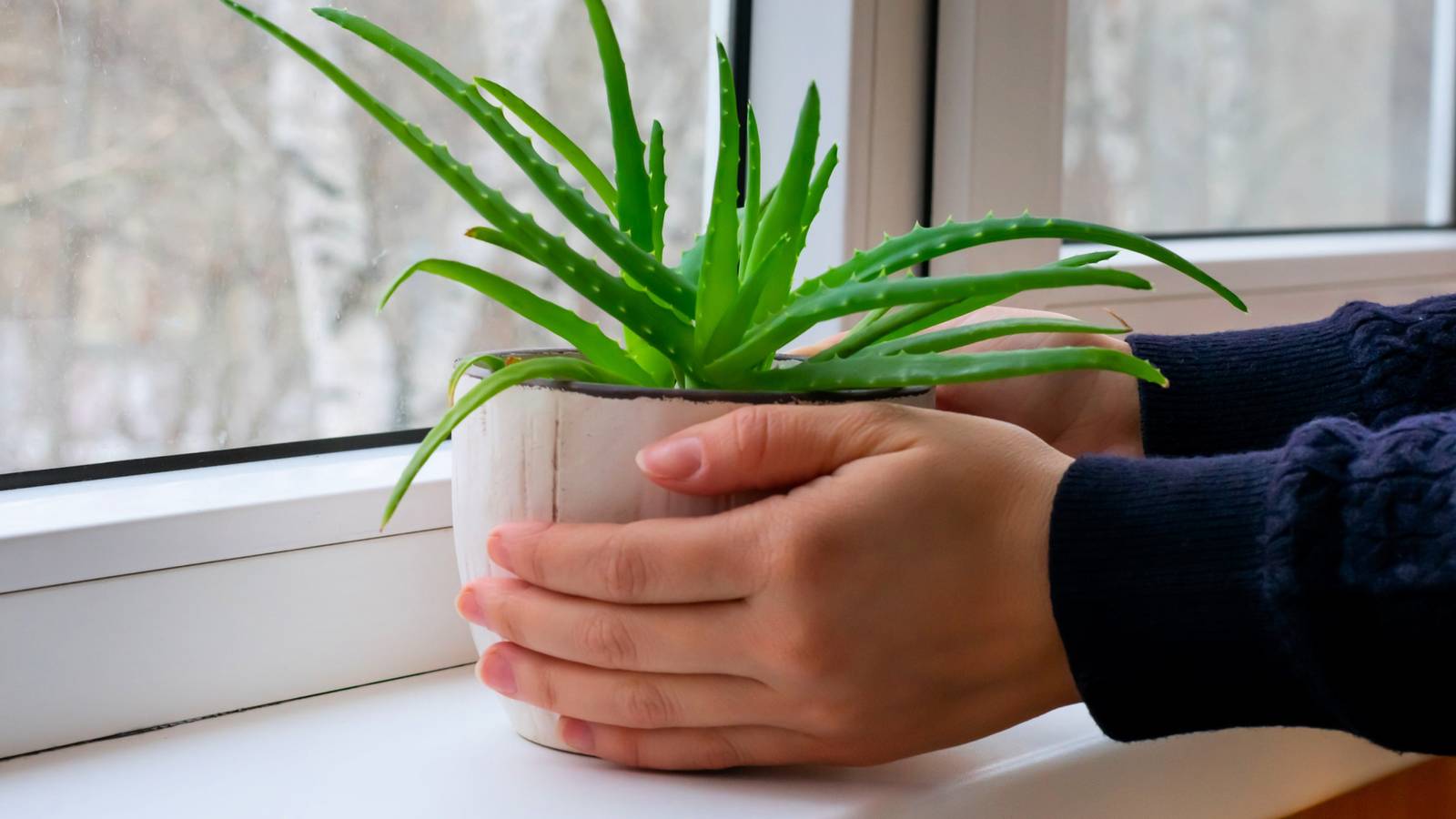
Oxygen Production: High
Benefit: Aloe vera is the most popular indoor plant with countless health benefits in India. People following regular skincare and hair care routines are already aware of its broad advantages. Aloe vera also absorbs gases like formaldehyde and benzene from the air and converts them into non-toxic metabolites.
Growth Factor: The plant becomes wider within a few months, so choosing a pot of 14–20 inches is ideal. Place the pot near sunlight, preferably in bright and indirect light. It can handle some direct sunlight, but exposure to sunlight for a longer time can cause leaf burn. Water it once a week when the soil gets completely dry. In winter, watering the plant once a month would also work.
Spider Plant (Chlorophytum comosum)
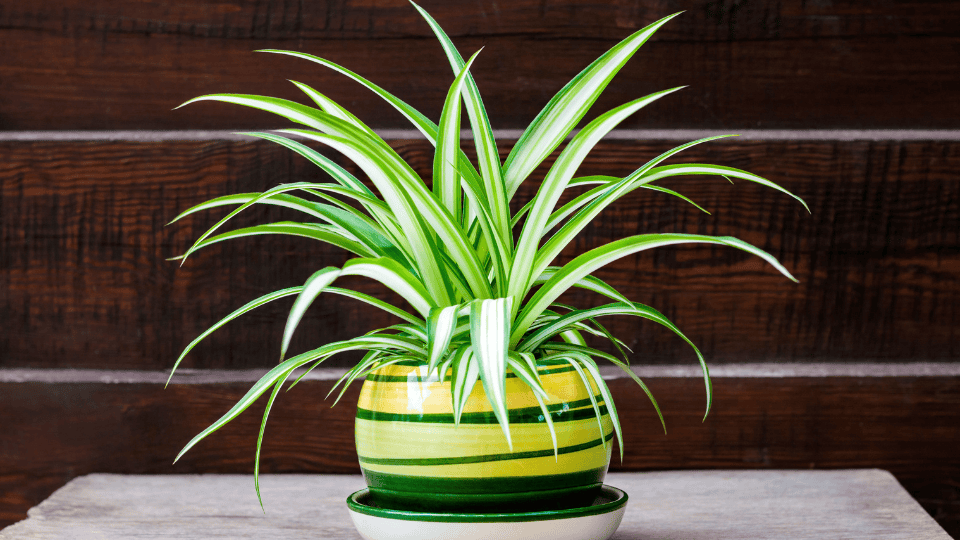
Oxygen Production: Moderate to High
Benefits: It can be an effective choice to enhance aesthetic greenery on the table. It can thrive in various environmental conditions and requires the least effort to survive. Despite its longer size, the plant has an excellent ability to absorb toxicants like formaldehyde and xylene from the air.
Growth Factor: The plant can thrive even in moderate watering conditions. However, keeping the soil moist can help the plant grow even faster.
Snake Plant (Sansevieria Trifasciata)
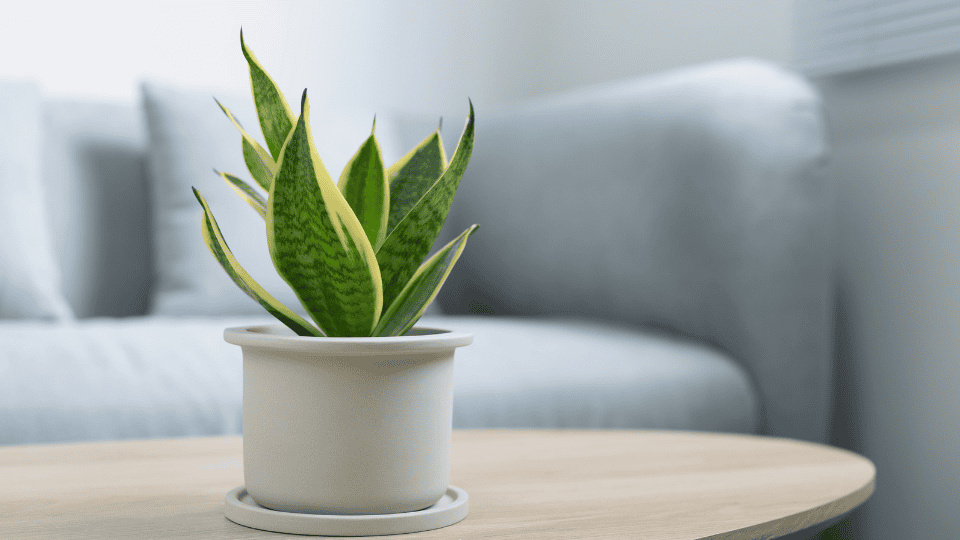
Oxygen Production: Very high oxygen production.
Benefits: It can be a brilliant choice for those who are searching for a decorative plant with enormous air quality improvement properties. The rate of oxygen production for snake plants is very high because they convert carbon dioxide into oxygen even at night. Snake plants are a sign of good luck and positive energy according to mythological beliefs.
Growth Factor: It requires low to bright indirect light for the best growth. Water the plant after the soil gets completely dry. Using terracotta pots can also help avoid waterlogging problems.
Peace Lily (Spathiphyllum spp.)
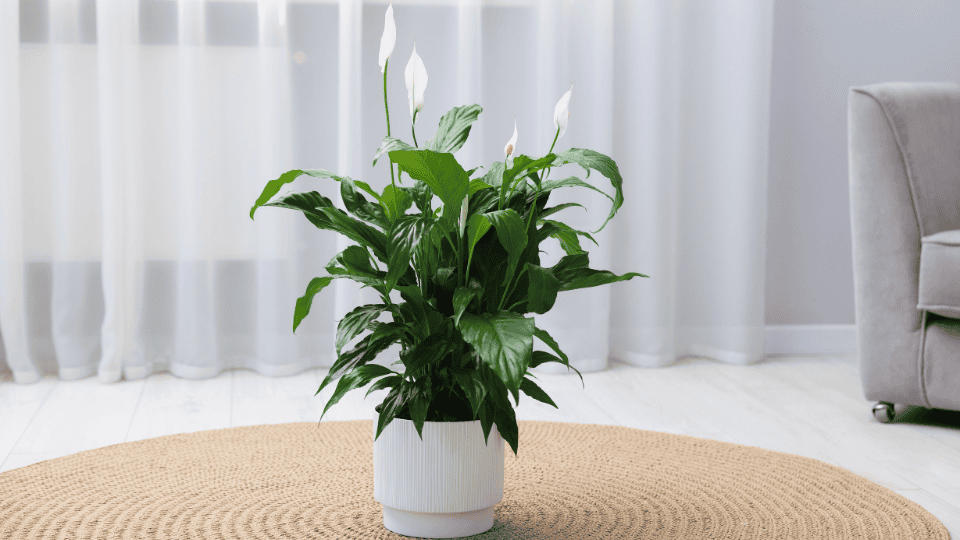
Oxygen Production: Moderate
Benefits: It is a beautiful flowering plant that brings aesthetic beauty to the house. It perfectly fits into urban living spaces and also has air-purifying qualities.
Growth Factor: Low to moderate indirect sunlight supports the best growth. Keep the soil moist at all times to provide good growth conditions. Well-draining potting mix soil with peat and perlite is best for flower growth.
Rubber Plant (Ficus elastica)
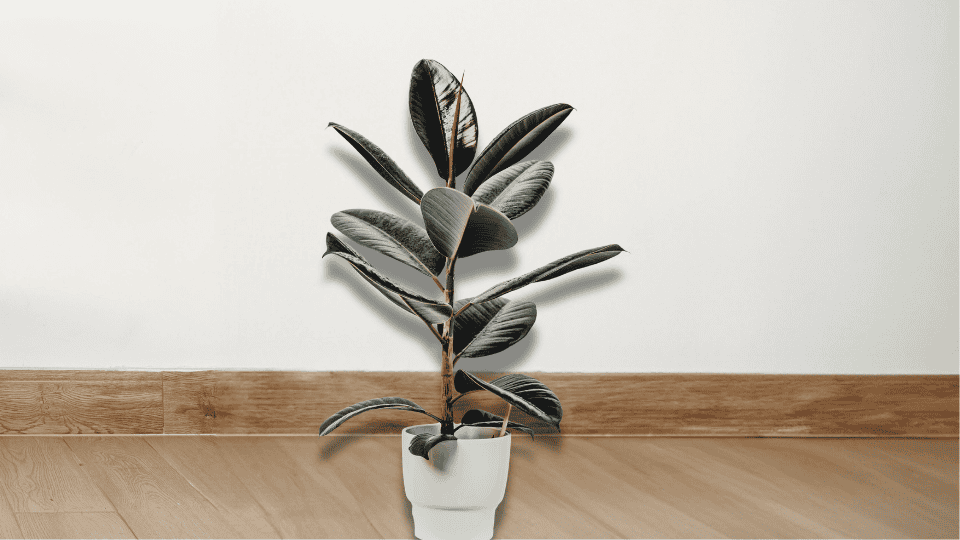
Oxygen Production: Moderate
Benefits: Like other plants, it detoxifies formaldehyde from the air. It doesn’t need high maintenance and can be grown with minimal care. It is most suitable for busy urbanites who want to grow an indoor plant with minimal effort. It can grow in small pots of 25–30 cm in diameter, but larger pots will be more suitable for its roots.
Growth Factor: It grows best in bright and indirect light. Rubber plants can also survive with moderate watering and dry conditions for adequate growth. Allow the top inch of soil to dry before watering it next time. Water it once every week after the water drains out.
Weeping Fig (Ficus benjamina)

Oxygen Production: Moderate to High
Benefits: It is the most adaptable plant for indoor environments. Weeping fig also has the same ability to detoxify harmful chemicals like formaldehyde, xylene, and toluene from the air. It adds elegance to urban interiors because of its aesthetic green leaves. It is most suitable for adding beauty to homes and offices.
Growth Factor: It needs bright and indirect light. Also, avoid direct sunlight, as it can scorch the leaves. Weeping fig can cause frequent leaf drop, so it’s better not to move the pot unless necessary. Don’t overwater or allow waterlogging in the soil, as it can damage the plant. Water it once a week for steady growth. A pot size of 12 inches is better for small plants. Shift it to a 16-inch pot if the plant becomes bigger in size.
Bamboo Palm (Chamaedorea seifrizii)
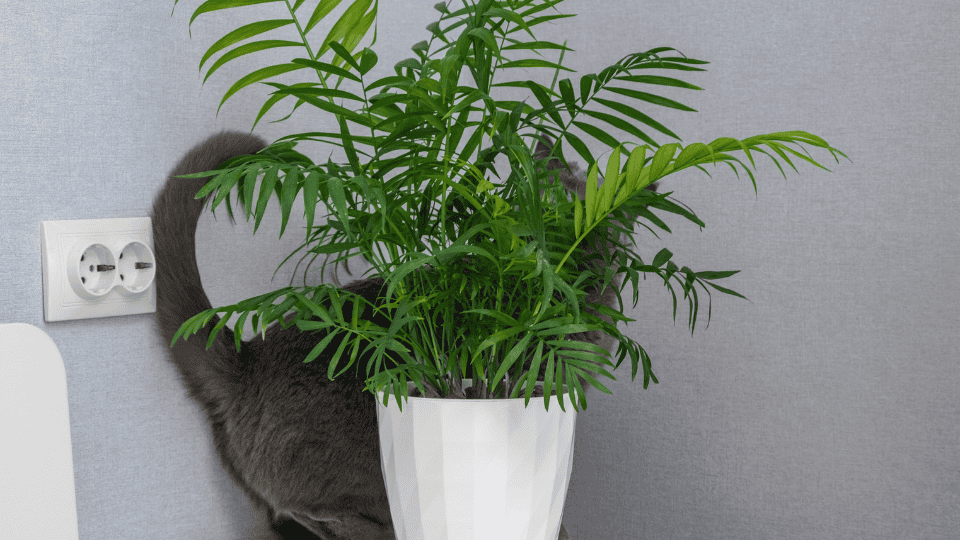
Oxygen Production: High
Benefits: It is the most suitable plant to give a tropical touch to indoor spaces, including both homes and offices. Adding moisture and improving indoor humidity are the primary roles of the plant. People residing in hot and low-humidity cities can add this plant to their bucket list. It can readily absorb toxicants like formaldehyde, benzene, and trichloroethylene released from wall paints, kitchen fuels, or mosquito coils.
Growth Factor: Bamboo palm can grow better in indirect sunlight with moderate water requirements. You need to keep the soil moist but not soggy to increase aeration around the roots. Potting mix with peat, pine bark, and perlite is preferred for nourishing the plant. Bamboo palms prefer consistently moist soil, which can be achieved by using an aerated pot. Ensure the pot size has good drainage features. It can be placed in any indoor location with indirect light. Watering once a week is enough for growth.
Boston Fern (Nephrolepis exaltata)
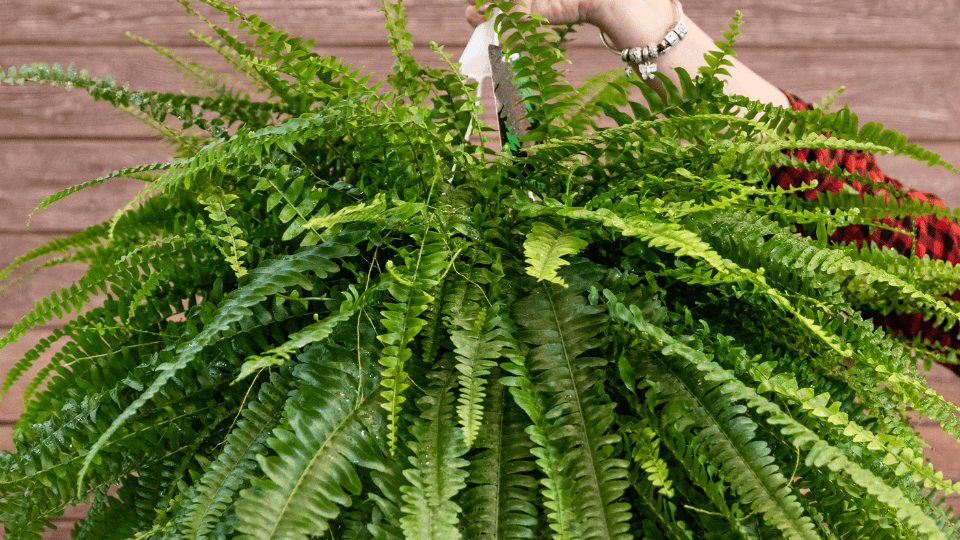
Oxygen Production: High
Benefits: Boston fern can create a more pleasant and healthier environment for the home. Like other plants, it purifies the air by removing formaldehyde and xylene from the air.
Growth Factor: It needs indirect sunlight and moist soil for proper growth. Keep it away from direct sunlight, as it can dry out the fronds. Choose a large pot with good drainage for the best growth. Water the plant twice a week without creating any waterlogging problems. The plants are more suitable for cities with high humidity.
English Ivy (Hedera helix)
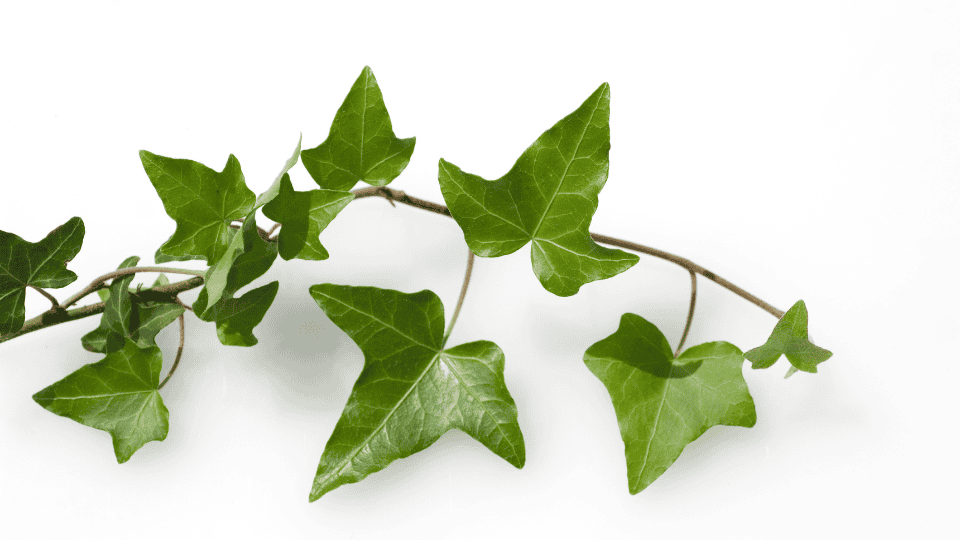
Oxygen Production: Moderate
Growth Factors: English ivy requires indirect sunlight, moist soil, and a brighter environment. The plant can survive in both low and bright sunlight. Don’t keep the plant in low-light conditions. The watering frequency should be once per week.
Benefits: It gives a classic look to the home when placed in hanging pots. The plant has excellent qualities for removing allergens from the air. It is one of the most effective plants for reducing mould levels in homes. English ivy can be a good choice for people living in extremely humid conditions. Like other indoor plants, it detoxifies harmful compounds from the air.
Caring for indoor plants matters just as much as bringing them home. The above selection of the best plants for improving indoor air quality is made considering the tropical climate of India. These indoor plants require minimal care and little effort to survive while offering excellent air-purifying effects. Even working professionals who don’t spend much time at home can grow them with minimal effort. These plants can be kept in offices to bring positivity to the workspace. Similarly, while choosing packers and movers for household relocation, it is important to ensure that plants are packed and shifted carefully. Give special care to protect their leaves, stems, roots, and pots during transit. Their presence reflects a commitment to caring for all forms of life, whether it is the people who work there or the plants themselves.
What are the low-maintenance indoor plants for clean air?
All the above-mentioned plants can thrive in low-watering conditions and don’t need high maintenance for survival. These are among the best plants to be grown inside the house. Nowadays, people also use self-watering pots to water indoor plants regularly, even in their absence.
What are NASA’s top 10 air-purifying plants?
After going through NASA’s clean air study, we have added the list of the top 10 air-purifying plants. Every indoor plant added to the list has extensive air-pollutant and toxicant-removing properties. Keeping such plants in an indoor environment can provide multiple health benefits.
How do indoor plants purify air?
In urban areas, everyone is surrounded by synthetic resources, starting from artificial dyes on walls to fuels in the kitchen. Toxic substances like benzene, formaldehyde, etc., are also released from homes when exposed to hot environmental conditions. Similarly, indoor plants absorb these harmful chemicals through their leaves and roots. Microbes present in the soil can break down these toxic chemicals into less harmful metabolites.
Where can I get these plants?
We have mentioned the scientific name of each plant to avoid confusion when bringing home a different plant species of the same variety. Choosing plants of different varieties might not be appropriate for an indoor growing environment.